Initial consent does not rule out the exploitation of surrogate mothers
A new report warns of the potential intersection between surrogacy and human trafficking, Amnesty International highlights Russia’s deceptive military recruitment tactics, and Japan steps up its trafficking protection measures.
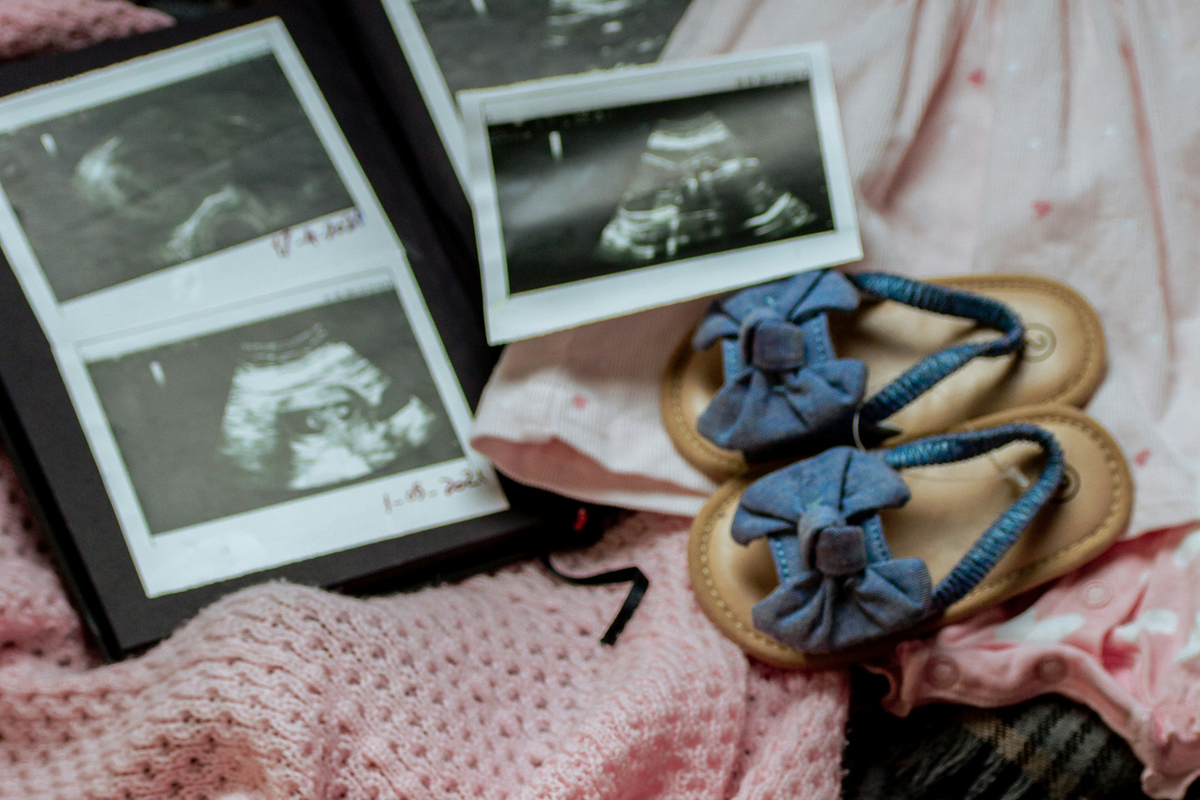
The UK’s Independent Anti-Slavery Commissioner has published a new report examining forced surrogacy as an emerging form of reproductive exploitation, warning that some surrogacy arrangements may involve force, coercion, deception, or abuse of vulnerability amounting to modern slavery or human trafficking.
The publication of the report comes amid a wider shift in how the issue is being understood internationally. In 2024, the European Union amended its Anti-Trafficking Directive to explicitly recognize “exploitation of surrogacy” as a form of exploitation within human trafficking. While this inclusion does not criminalize surrogacy itself, it marks an important shift in the recognition of reproductive exploitation within anti-trafficking frameworks, while also raising the question of where surrogacy crosses the line from a voluntary arrangement, or a situation involving poor conditions and rights violations, into exploitation and trafficking.
Recent analysis from La Strada International describes this as a “continuum of exploitation,” spanning arrangements in which surrogate mothers’ rights and dignity are respected, through situations involving rights violations, inadequate compensation, and other harmful practices, to the most severe forms of exploitation and trafficking. Cases do not necessarily begin with obvious coercion; consent can instead be complicated by financial desperation, deception, changing circumstances, or the misuse of legal loopholes. The question is therefore not simply whether a woman agreed to become a surrogate, but whether she remained able to make free decisions as the arrangement progressed.
Recent cases highlighted in the report illustrate the complexity of making this distinction in practice. In Greece, a 2023 investigation into an alleged criminal network operating through a fertility clinic in Crete identified at least 182 suspected cases involving exploitation through surrogacy and egg retrieval. Authorities alleged that vulnerable foreign women, many experiencing financial hardship, were recruited through deception and abuse of vulnerability, with some reportedly living in poor conditions. However, the prosecution struggled to establish coercion, with many of the women appearing to have entered the arrangements voluntarily, and the case subsequently stalled.
The report also underscores how war, displacement, and economic insecurity may alter the circumstances in which women consider surrogacy. In recent cases in Ukraine, women were recruited under false pretenses and promised fair compensation before subsequently being subjected to coercion and deception, with Ukrainian courts finding elements of trafficking present in a number of instances. These cases remain exceptional rather than evidence of widespread trafficking through surrogacy, but they demonstrate how vulnerability can be exploited within complex and increasingly transnational reproductive markets.
A related concern is the potential for victims themselves to be treated as offenders. The UK report highlights Cambodia, where 32 pregnant Cambodian women involved in cross-border surrogacy were themselves prosecuted under anti-trafficking legislation and later released on the condition that they keep and raise the children. The case illustrates why participation in an unlawful surrogacy arrangement does not, by itself, tell us whether a woman acted freely.
As surrogacy becomes increasingly transnational, these cases suggest that identifying exploitation requires more than establishing whether a woman initially consented to an arrangement or received payment. Practitioners may also need to understand whether she remained able to make decisions about her pregnancy and medical care, whether she could safely withdraw, and whether deception, financial pressure, or other forms of control limited her choices.
Conflict and displacement, economic inequality, demographic change, developments in reproductive technology, and increasingly international fertility markets may all create new vulnerabilities, while differences between legal and regulatory systems can make exploitation harder to identify, investigate and prosecute across borders. The UK Commissioner’s recommendations therefore point to some of the gaps that may need to be addressed more broadly across the sector, including clearer frontline guidance and training, stronger safeguarding and victim support, better data and intelligence, and a criminal justice response that takes account of the cross-border nature of these cases.
Here’s a roundup of other noteworthy news and initiatives:
Amnesty International has documented the deceptive and coercive recruitment of foreign nationals into Russia’s armed forces, concluding that in many cases the practices amount to human trafficking. Based on interviews with recruits from several countries, the briefing describes false promises of civilian or non-combat jobs, exploitation of migrants’ precarious immigration or legal status, withheld passports, and restrictions on movement, with some recruits subsequently deployed to the front lines in Ukraine.
The Uzbek Forum for Human Rights reports continued coercive practices in Uzbekistan’s silk industry, including imposed production quotas, pressure on farmers to sign incomplete contracts, and delayed payments to cocoon producers. Farmers said they were required to pay for production shortfalls or purchase cocoons from others to meet their quotas, raising concerns about the continued role of state pressure in the sector.
Japan has reported an increase in identified trafficking cases and is moving to strengthen its national anti-trafficking framework, with 78 victims identified and protected in 2025, and 142 cases handled by authorities. A proposed revision to the country’s action plan would expand measures on labour exploitation, online sexual exploitation, and malicious host clubs, while strengthening victim identification, support for foreign nationals, and protections for male trafficking victims.
A new open-access article in the “Journal of Human Trafficking” proposes a framework for conceptualizing and measuring state-imposed forced labour across different contexts, including the Uyghur region. It identifies four mechanisms through which state-imposed forced labour can operate: 1) internment or imprisonment; 2) coercive mobilization; 3) compulsory service systems; and 4) compulsory production and procurement, and sets out a three-step approach for assessing policy, state capacity, and implementation and impact.
The ILO and Canada have launched a four-year initiative to strengthen efforts to address forced labour in the Philippines, with a focus on institutions, worker protection, access to justice, and responsible business practices. The project will target tradeable sectors including manufacturing and agriculture, as Canada and the Philippines explore a potential free trade agreement, and Canada strengthens enforcement of its forced labour import ban.
This commentary welcomes the European Commission’s new guidelines for implementing the EU Forced Labour Regulation, while calling for stronger safeguards ahead of its application in December 2027. It highlights provisions on remediation and state-imposed forced labour, while arguing that regulators should avoid overreliance on social audits, independently verify company information, and ensure the forthcoming forced labour risk database covers high-risk regions and countries.
Azadi has released a new best practice resource, sharing lessons from its development as a survivor collective into a community of more than 150 members. “The Story of Azadi” explores its approach to survivor leadership, collective care, governance, and program design, offering practical learning for organizations seeking to build and support survivor-led initiatives.