A WEF workshop looks to federated data systems to drive action on forced labour
Data federation could help CSOs retain control of shared information, the U.S. financial crimes bureau warns of trafficking linked to the FIFA World Cup, and critics say changes to the UK’s modern slavery guidance are unfair to survivors.
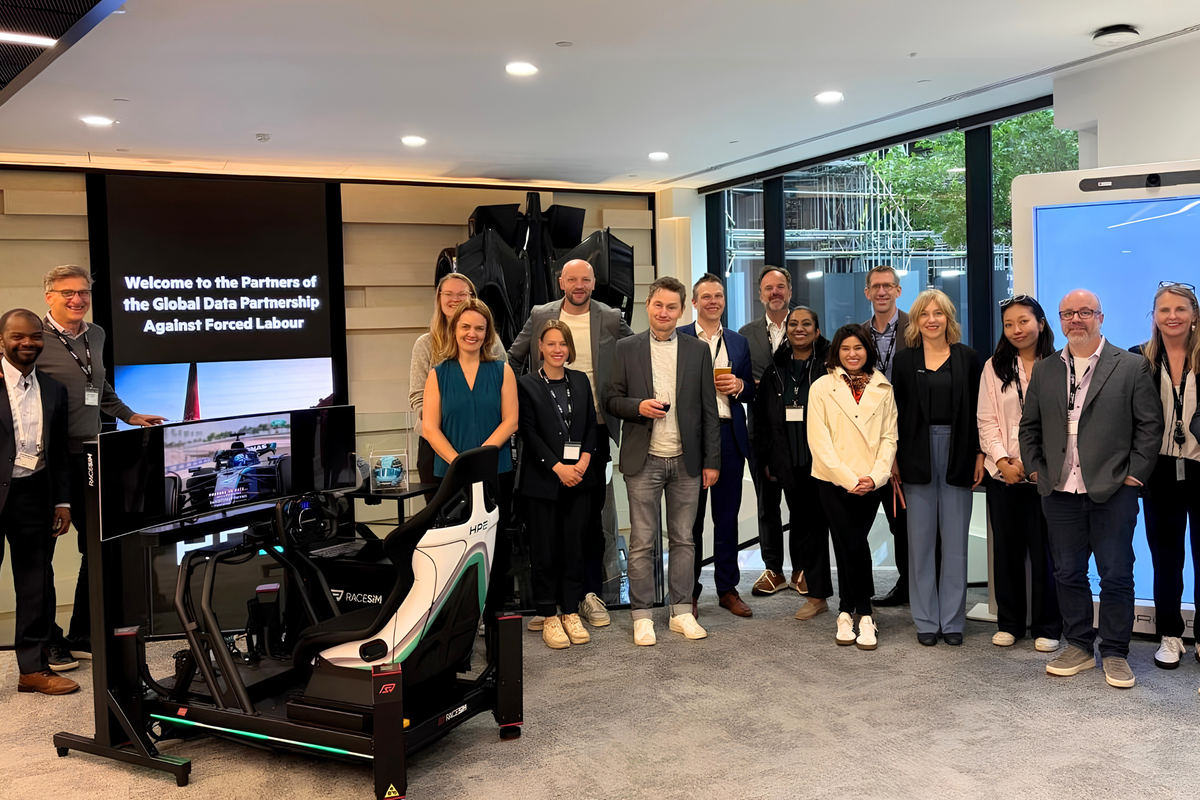
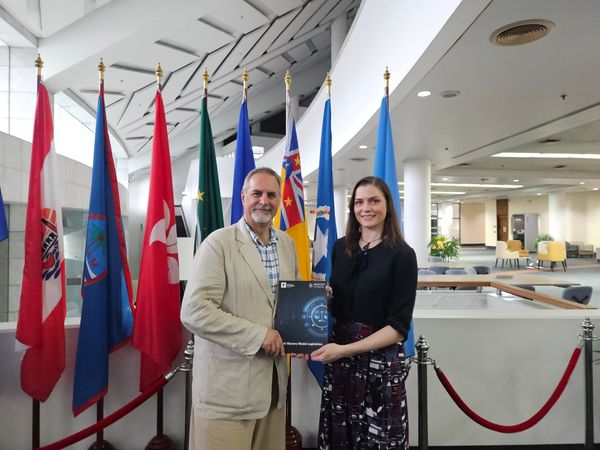
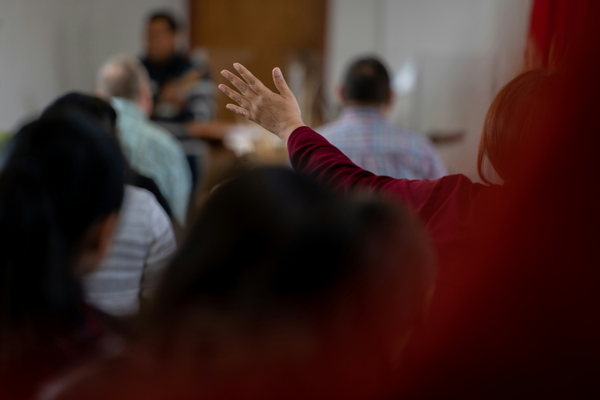
Freedom Collaborative joined experts from civil society, government, technology, and the private sector last week for a World Economic Forum (WEF) workshop exploring the ways in which federated data systems could strengthen global responses to forced labour. Convened in London under the Global Data Partnership Against Forced Labour (GDPFL) initiative, the Data Standards, Governance and Impact Workshop focused on developing the data protocols, governance frameworks, technical infrastructure, and practical impact areas needed to support implementation, with Thailand serving as the current proof of concept.
A recurring theme throughout the workshop was the growing recognition that forced labour has continued to rise, despite increasing amounts of available data. Participants repeatedly returned to the distinction between reducing forced labour risk and reducing forced labour in practice, noting that the two are not necessarily synonymous. While many existing systems are designed to identify, map, and assess risk, it is not clear that these approaches are generating measurable changes in worker outcomes.
This distinction shaped wider discussions concerning the relationship between data, policy, and impact. Some participants noted a genuine lack of information in certain areas, particularly where exploitation remains poorly documented or difficult to identify, while others pinpointed a lack of coordinated action as the main challenge, observing that generating more information does not necessarily lead to more impactful decisions, stronger remediation, or reductions in exploitation.
As a result, discussions shifted to focus on identifying forms of data that are capable of driving action, not merely producing risk visibility. Participants considered the way in which information can be used to influence business behavior, improve remediation processes, strengthen coordination across stakeholders, and distinguish between practices that reduce forced labour and those that merely displace risk elsewhere in supply chains or labour markets.
Practitioners also cautioned against treating all forms of data as equivalent – audit data, worker voice information, civil society case records, and government datasets were described as reflecting different methodologies, incentives, and forms of knowledge. In particular, worker voice and civil society reporting may provide forms of ground truth that are not always captured through compliance or audit mechanisms alone, they said. At the same time, participants stressed that civil society and worker engagement initiatives are frequently expected to provide increasingly detailed information regarding labour conditions, while comparatively less visibility exists around how purchasing practices, sourcing shifts, pricing pressures, or procurement decisions may contribute to exploitation risks.
Freedom Collaborative contributed to these discussions from a civil society accountability perspective, drawing on experiences from previous data initiatives and partnerships with frontline organizations. It was emphasized that civil society groups should not be treated solely as sources of data within larger systems, with practitioners noting that local organizations are often asked to contribute sensitive case information and reports without meaningful visibility into how the data is subsequently used, what insights emerge from it, or what actions follow. Over time, this can create perceptions of one-way extraction rather than partnership, weakening trust and making long-term participation more difficult to sustain.
Several discussions therefore focused on the importance of federation not only as technical architecture, but also as a governance model, with federated infrastructure described as a way for organizations to determine who they trust, what information they exchange, and under what conditions collaboration takes place, while retaining control over sensitive data. This was viewed as particularly significant within a complex ecosystem of stakeholders operating across different sectors, mandates, and risk environments.
Across the workshop, it was suggested that the long-term value of forced labour data initiatives may ultimately depend less on the quantity of information collected than on whether systems are capable of supporting coordinated action across stakeholders and generating measurable reductions in forced labour itself. In this context, participants repeatedly returned to the view that data should function not only as a mechanism for identifying risk, but also as part of a broader public-interest framework designed to support accountability, remediation, and practical outcomes for affected workers.
Here’s a roundup of other noteworthy news and initiatives:
The International Rescue Committee (IRC) and Hewlett Packard Enterprise have launched “Sarah", an AI-powered career coaching tool designed to help survivors of human trafficking access safer employment and reduce the risk of re-trafficking. The platform combines trauma-informed guidance with employment support tools, including CV preparation, interview coaching, and contract analysis, reflecting growing interest in how AI can support survivor reintegration and anti-trafficking responses.
The Financial Crimes Enforcement Network has issued a notice urging financial institutions to increase monitoring for potential human trafficking linked to the 2026 FIFA World Cup, warning that major international events can heighten risks of both labour and sex trafficking. The guidance outlines financial and behavioural indicators associated with trafficking and encourages stronger reporting and information sharing to help identify victims and disrupt trafficking networks.
A new IOM report that reviews a decade of responsible recruitment efforts finds progress for migrant workers has remained uneven despite major growth in standards, corporate commitments, and policy frameworks. Drawing on evaluations across 77 country offices, the report concludes that meaningful improvements have been strongest where responsible recruitment has been integrated into broader labour migration systems, worker-centered support mechanisms, and enforceable accountability structures, while fragmented voluntary approaches and overreliance on audits continue to limit impact.
Organizations have raised concerns over updates to the UK Home Office’s modern slavery statutory guidance, which now introduces the timing of disclosure as a factor in assessing survivor credibility within the National Referral Mechanism. Critics argue the change risks placing unrealistic evidentiary burdens on survivors, despite the well-documented barriers and trauma that can delay disclosure, and warn that it could further discourage victims from coming forward.
La Strada International has highlighted the often overlooked mental health impacts experienced by migrant, displaced and trafficked women across Europe, particularly the cumulative effects of trauma, insecure migration status, discrimination and barriers to healthcare. The statement, published within the context of the EU’s RESILIA mental health project, also underscores the way in which recovery from exploitation is closely tied to access to stable housing, income security, childcare, legal assistance, and long-term social support.
A new report by the Migrant Justice Institute finds widespread and systemic underpayment of migrant workers in Australia, with two-thirds of surveyed temporary visa holders paid below their legal entitlements, and more than a third earning below the national minimum wage. Based on responses from nearly 10,000 workers, the research links exploitation to insecure employment structures such as sham contracting, casualization and cash payments, alongside broader patterns of workplace noncompliance.
Thousands of Cambodians displaced by recent border fighting with Thailand remain in temporary camps months after the latest ceasefire, with families reporting ongoing fear, economic hardship, and disruption to children’s education. The situation highlights the longer-term humanitarian impacts of conflict-related displacement, particularly for children and communities unable to safely return to heavily militarized border areas.
The new UN Special Rapporteur on contemporary forms of slavery and trafficking in persons, in collaboration with the Rights Lab at the University of Nottingham, has launched a global consultation survey to assess progress, challenges, and future priorities in anti-slavery and anti-trafficking efforts. The findings will inform upcoming UN reports and recommendations aimed at strengthening responses at international, regional, and national levels. Participate here!