Cyber-scam returnees face a renewed risk of trafficking without reintegration support
Survivors of scam centers who are treated with mistrust remain vulnerable to exploitation, the UK sees record levels of trafficking amid weak enforcement, and rights groups in France sue food delivery platforms over working conditions.
Trafficking prevention strategies must explicitly address the re-trafficking risk faced by survivors of cyber-scam compounds following their return home, according to Freedom Collaborative's civil society partners. Practitioners from East Africa in particular note that returnees may come back deeply isolated, ashamed, and uncertain as to whether or not they are recognized as victims, and that a lack of adequate support can leave them vulnerable to further exploitation.
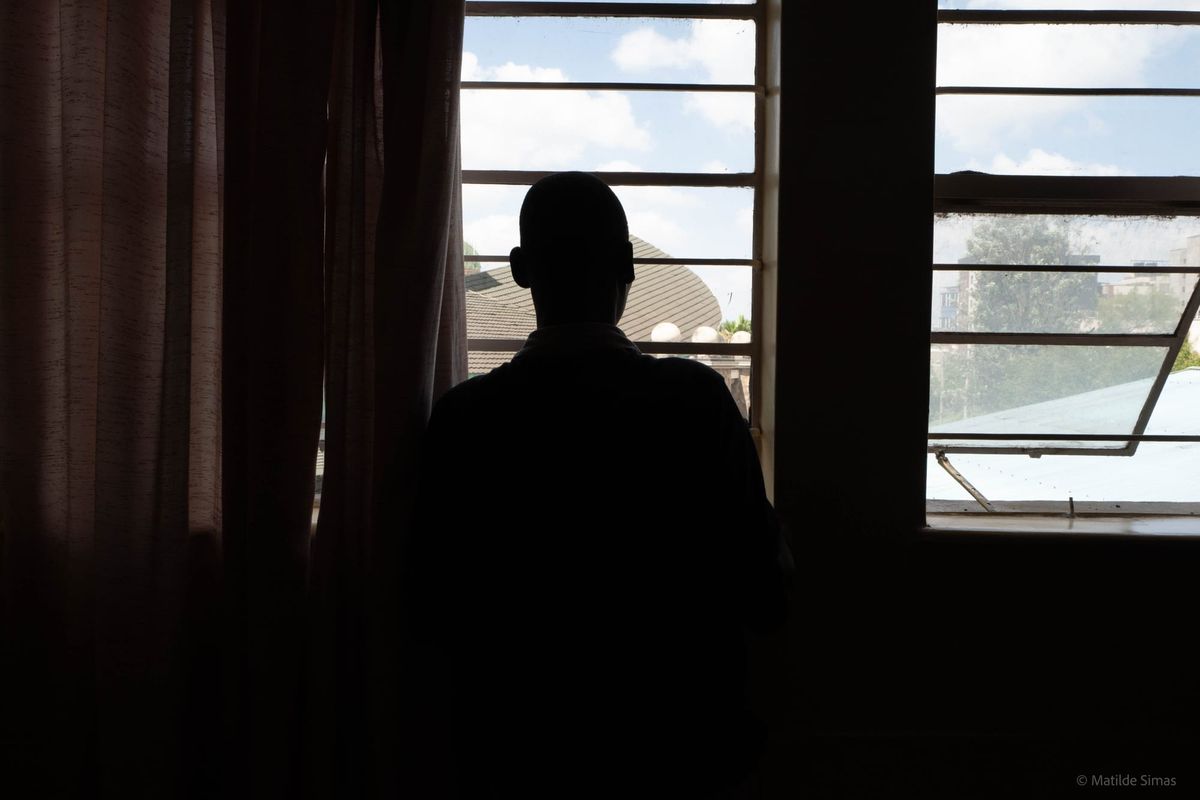
In some cases, survivors report being treated as if they were “hardened criminals”, particularly where government systems respond with mistrust, detention, or neglect rather than assistance. Instead of experiencing return as a moment of protection or recovery, many describe a sense of abandonment by the institutions responsible for supporting them.
This has significant consequences, practitioners say. When returnees perceive that they are viewed with suspicion rather than recognized as victims, rebuilding trust becomes more difficult. Accessing support may feel unsafe, and the prospect of establishing a viable future outside the scam economy becomes more remote. As a result, a reintegration gap emerges at precisely the point at which support is most needed.
Moreover, repatriation is frequently treated as the end of the process, when in practice it can mark the beginning of another high-risk period during which support and assistance are crucial. Our East Africa regional routes mapping report showed that, among cases in which previous trafficking history was recorded, nearly half of individuals had been trafficked before. Re-trafficking is also a concern for our new prevention project, in partnership with the Regional Support Office of the Bali Process and the International Organization for Migration, which focuses on preventing cyber-scam trafficking with measures implemented in source countries.
The reintegration gap is particularly evident in the initial moments of return, with some survivors indicating that being met on arrival, offered an opportunity for immediate support, or assisted in traveling home would have contributed to a greater sense of safety and inclusion. The presence or absence of such reception measures can signal whether individuals are being received as victims in need of assistance or as subjects of concern.
These early interactions can shape subsequent outcomes, say practitioners. Survivors who feel recognized and supported are more likely to engage with available services and begin the process of reintegration. By contrast, those who experience isolation or mistrust may disengage, avoid formal support systems, or consider returning to the scam economy. A spokesperson for the Kenyan Government recently expressed concern that rescued individuals could establish scam operations in Kenya, and recommended a nationwide awareness campaign, stronger legal frameworks, and enhanced victim support and integration as countermeasures. Practitioners suggest that even limited reception activities can reduce the likelihood of re-trafficking by influencing these initial decisions.
Findings from our report on the trafficking of East Africans into scam centers highlight the broader structural barriers that reinforce this gap. Returnees are often impacted by blanket screening processes, limited international coordination, restricted access to justice, and insufficient funding for local and grassroots organizations. Collectively, these constraints undermine the provision of consistent, survivor-centered support throughout the return and reintegration process.
There is also evidence that systems investing in reception and reintegration show improved outcomes. HAART Kenya has supported victim identification procedures and facilitated coordination with law enforcement during screening, while its aftercare program has enabled 86 returnees from a group of 153 to establish small businesses. This model integrates reception, coordination, and livelihood support, demonstrating the potential of approaches that treat reintegration as an ongoing process rather than a single event.
Prevention is not only concerned with reducing vulnerability prior to exploitation. It also depends on what happens after survivors return – whether they are recognized as victims, provided with practical and psychosocial support, and offered viable pathways to rebuild their lives. In the absence of such measures, the conditions that enable re-trafficking remain in place.
Here’s a roundup of other noteworthy news and initiatives:
A consortium of anti-slavery organizations, including Hestia, warns the UK’s response to modern slavery is creating a “low risk, high reward” environment for exploiters, citing weak enforcement, fragmented policing, and insufficient survivor support. In a new report, the group sets out a 10-year reform agenda focused on stronger corporate accountability, improved criminal justice responses, and a more survivor-centered system to address systemic gaps and prevent exploitation.
Meanwhile, the UK’s Independent Anti-Slavery Commissioner has warned that victims of trafficking will become harder to detect without urgent action, amid record levels of exploitation driven by global instability, the cost of living, and new technology. And ECPAT UK has urged the government to take additional measures to prevent the trafficking of children, following publication of a report from GRETA highlighting systemic failures in the UK’s response to child exploitation.
Guidance published by the Danish Institute for Human Rights outlines how the EU’s Corporate Sustainability Due Diligence Directive should be effectively transposed and implemented to ensure meaningful outcomes for people and the environment. It emphasizes a risk-based, purposive approach to due diligence, aiming to move beyond formal compliance and strengthen corporate accountability across global value chains.
A new policy paper argues that forced labour import bans should be adopted not just under political pressure, but as a core tool to protect workers globally and prevent unfair cost competition driven by exploitation. It emphasizes that poorly designed measures can have unintended consequences, and offers a blueprint for more effective legislation that centers workers’ rights and improves enforcement across global supply chains.
Equidem has raised concerns over the layoff of more than 1,100 workers in Nairobi following the end of contracts between Meta and its contractor Sama, warning the move may allow companies to sidestep accountability for labour conditions in tech supply chains. The case highlights broader risks for outsourced AI workers, particularly in the Global South, where precarious contracts, legal gaps, and restructuring can leave workers exposed despite ongoing judicial efforts to establish corporate responsibility.
Workers’ rights organizations in France have filed a criminal complaint against Deliveroo and Uber Eats, alleging “human trafficking” linked to the exploitation of largely migrant delivery workers. The case highlights concerns over precarious working conditions, lack of legal protections, and the vulnerability of undocumented workers within platform-based labour models.
Peru has opened an investigation into an alleged human trafficking network that deceived citizens with job offers in Russia but ultimately sent them to fight in the war in Ukraine. Authorities say hundreds may have been recruited under false promises, highlighting growing concerns about exploitation linked to conflict-related labour and recruitment practices.
The Free the Slaves-convened Freedom from Slavery Global Forum has been postponed and moved to Nairobi (5-6 October 2026), after visa and administrative barriers prevented many participants, especially survivor leaders and Global South representatives, from attending in Istanbul. Organizers said the decision was necessary to ensure the forum remains inclusive and representative of the voices central to shaping the global response to modern slavery.