Modern slavery experts call for a broader approach to evaluating prevention efforts
Civil society groups provide insights at a trafficking prevention learning event, Cambodia approves casino licenses despite links to scam operations, and a new report finds peer support can significantly aid trafficking recovery.
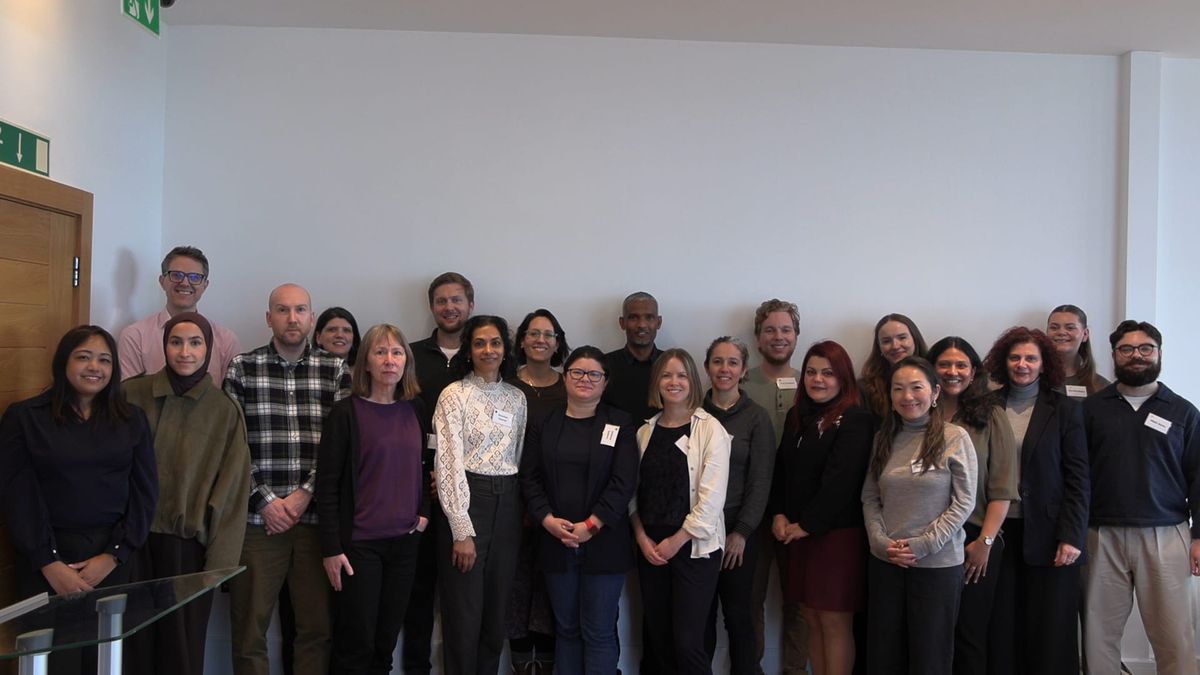
Freedom Collaborative recently participated in a two-day learning event focused on prevention strategies and evaluation approaches across the modern slavery sector. The workshop, convened by the Modern Slavery and Human Rights Policy and Evidence Centre (MSPEC) at the University of Liverpool, in collaboration with the UK Home Office, brought together participants including grantees, delivery partners, policymakers, and academics. Freedom Collaborative attended alongside project partner the Regional Support Office of the Bali Process.
Civil society expertise was central to the discussions – participants explored a range of prevention frameworks, from the Palermo Protocol’s “Three Ps” approach to the early-intervention BETR model, alongside practical insights from organizations such as SEEFAR, Terre des Hommes, and Hope for Justice. Freedom Collaborative shared its cyber-scam prevention work, highlighting a dual approach that combines grassroots civil society engagement with high-level government training, and emphasizing that real-life examples were found to be more effective than fear-based messaging in influencing decision-making.
A key thread running through both days was how to engage people with lived experience in ways that are meaningful, ethical, and sustainable. Participants raised concerns about tokenistic “tick-box” inclusion, reliance on a small number of “go-to” voices, and the emotional risks associated with repeated engagement with traumatic experiences. Emerging good practices emphasized the importance of mutual, non-extractive engagement, recognizing lived experience as one form of expertise among many, and creating space for a wider diversity of voices. This includes focusing on specific knowledge gaps rather than generalized representation, investing in long-term relationships, and supporting pathways into leadership.
Across sessions, participants returned to the challenge of measuring prevention – by definition, prevention involves understanding “what didn’t happen”, making impact difficult to quantify. Discussions also highlighted the complexity of tracking behavioral change over time, particularly in migration contexts, where decisions are often iterative and influenced by shifting circumstances. And participants noted that many existing interventions focus on reducing vulnerability to victimization, with less attention paid to addressing offending behavior.
There was broad agreement that the sector needs to move beyond a focus on output, such as the number of people reached, towards outcomes, including demonstrable changes in behavior and reductions in exploitation. While quantitative data remains important, the workshop underscored the value of qualitative evidence in capturing real-world impact. As highlighted in discussions with UK Home Office representatives, even small numbers of prevented cases can represent significant cost savings, reinforcing the need for robust and credible evidence.
Several promising approaches to measurement were shared. These included community-based methods for tracking prevalence, and real-time monitoring through informal communication networks, with the Freedom Fund’s Community Maturity Index, which tracks community-led progress across five pillars including knowledge and economic change, highlighted as a strong model for measuring long-term impact. Participants also stressed the importance of designing monitoring and evaluation systems from the outset, rather than retrofitting indicators after programs are underway.
Finally, the workshop highlighted the importance of strengthening evaluation practice across the sector. Mixed-method approaches combining quantitative and qualitative data were widely seen as essential, as were longer follow-up periods beyond the typical six-month timeframe. Participants noted the benefits of combining internal and external evaluation perspectives, particularly through partnerships with local researchers. Crucially, there was also recognition that capturing unintended consequences and program “failures” is just as important as documenting success, in order to build a more honest and effective evidence base for prevention.
Here’s a roundup of other noteworthy news and initiatives:
A new investigation by Amnesty International has found that Cambodian authorities approved casino licenses despite evidence linking at least a dozen sites to scamming compounds involving trafficking, forced labour, torture and child exploitation, including abuse occurring within casino-owned properties. It highlights a stark contradiction between ongoing regulatory approvals and the government’s stated crackdown on scamming operations, raising concerns about systemic oversight failures and potential state-enabled exploitation risks within the sector.
The UK Home Secretary has conceded that officials applied an unlawful evidential threshold when assessing trafficking cases, following a judicial review that revealed internal guidance requiring “objective evidence” before recognizing potential victims. The case highlights systemic risks in victim identification processes, raising concerns that survivors may have been wrongly denied protection due to the application of an unduly high and legally incorrect threshold.
A new report by Voice Found, developed with the Canadian Centre to End Human Trafficking, finds that peer support can play a significant role in trafficking recovery, particularly in reducing isolation and supporting long-term healing, when properly implemented. The findings point to increasing emphasis on survivor-led models across the sector, while underscoring the need for clear safeguards, sustainable funding, and organizational readiness to prevent unintended harm.
ASTRA – Anti-Trafficking Action has contributed to the development of a handbook and delivered training for lawyers in Montenegro to strengthen victim identification, protection and representation in trafficking cases, reflecting ongoing efforts to build specialized legal capacity in the region. And the United Nations Office on Drugs and Crime has supported new judicial guidelines enabling trafficking victims in Montenegro to access compensation within criminal proceedings, signalling a shift towards more practical implementation of victims’ rights where legal provisions have not translated into outcomes.
The Canadian Prime Minister has defended the country’s approach to preventing forced labour imports amid backlash over comments by a Government MP appearing to downplay risks in China, as Canada faces a U.S. probe into supply chain compliance. The controversy highlights ongoing tensions between political, trade and human rights priorities, raising questions about the effectiveness and credibility of Canada’s enforcement mechanisms despite claims of a “rigorous” system.
A webinar hosted by Hope and Homes for Children on 22 April will examine how countries are translating care reform into practice across South Africa, Rwanda and Bulgaria, focusing on implementation challenges and effective strategies. It will explore approaches including prevention, workforce development, and the role of legislation and funding in driving system change.