Why CSO networks are crucial to the response to trafficking for forced criminality
CSOs need greater support as they lead the response to scam-center trafficking, Bangladeshi men are deceived into fighting for Russia in Ukraine, and campaigners call for urgent protections for migrant workers in the Middle East.
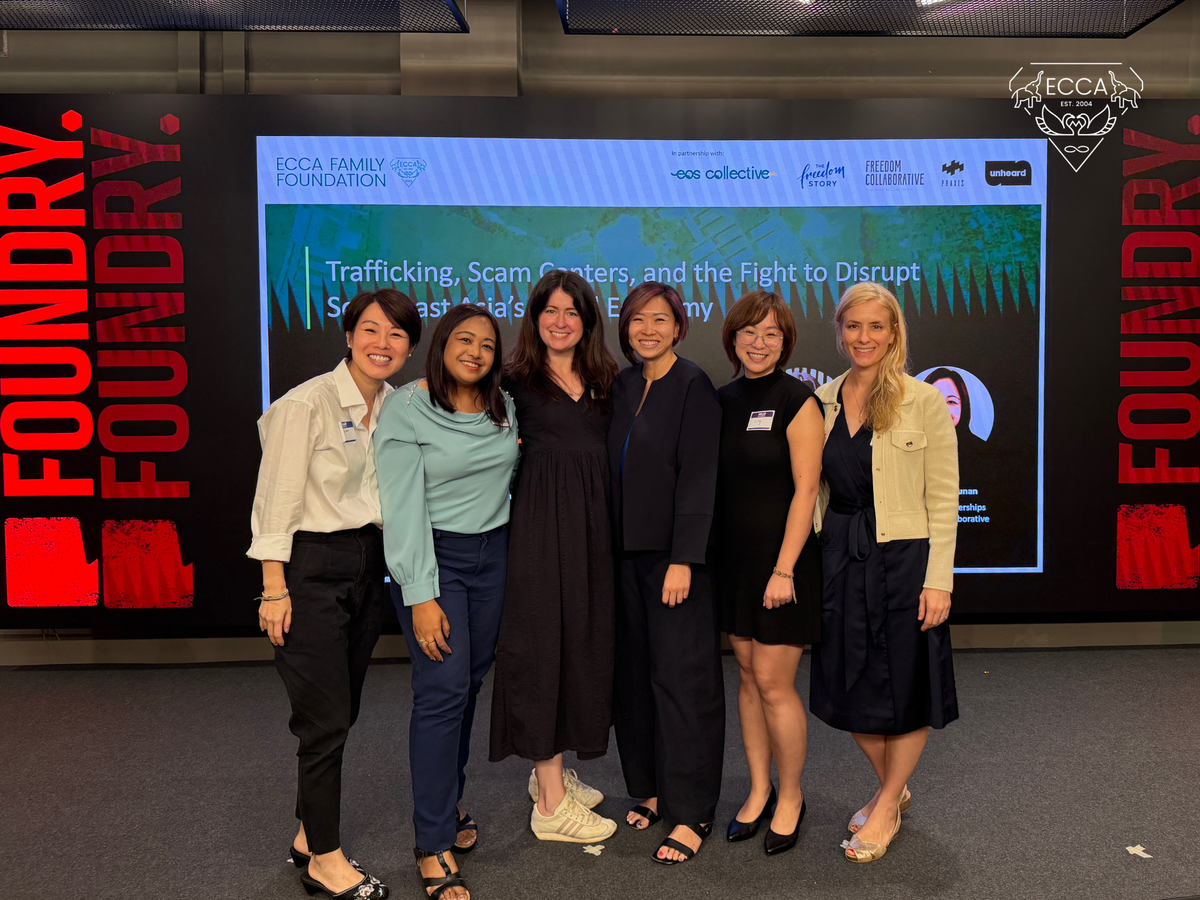
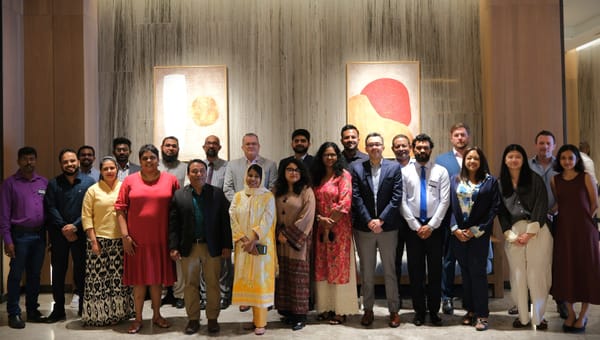
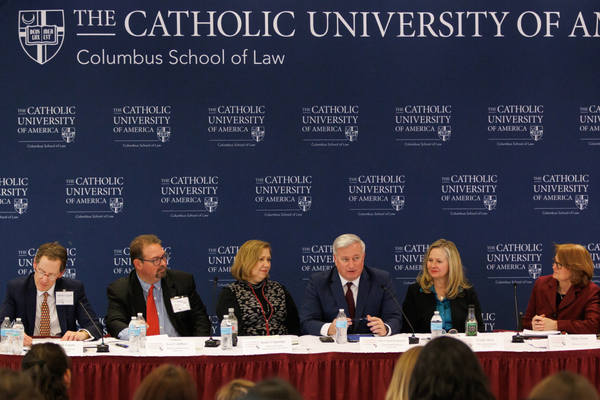
Freedom Collaborative last week participated in a panel discussion convened by the ECCA Family Foundation on the trafficking of individuals into scam compounds across Southeast Asia. Held in Singapore, the event focused on the lived experiences of trafficking victims and highlighted the growing importance of coordination among civil society actors responding to this crisis. Freedom Collaborative’s Head of Partnerships, Mallika Karunan, joined the panel of experts and shared insights from our work coordinating civil society responses and supporting victim identification and assistance for individuals emerging from scamming operations.
Participants noted that, in many cases, the humanitarian response to trafficking for forced criminality begins only after individuals leave the compounds. However, the systems required to support survivors and help them return home were never designed to manage a crisis that spans multiple continents. As a result, much of the current response relies on informal coordination among frontline organizations. Responders frequently depend on personal contacts and ad hoc partnerships to identify groups able to support survivors as they try to meet their immediate needs, navigate immigration and legal systems, secure repatriation arrangements, and access support once they return home. In practice, this often involves reaching across civil society networks to locate partners who can assist with documentation, temporary accommodation, or reintegration services.
Meanwhile, formal repatriation and support systems for individuals leaving scam compounds remain fragmented and insufficient. Many individuals exit compounds without passports, travel documents, or funds for return flights yet, without state-led support, civil society organizations are the primary actors working to resolve immigration issues, coordinate travel documentation with embassies, and secure funding for flights.
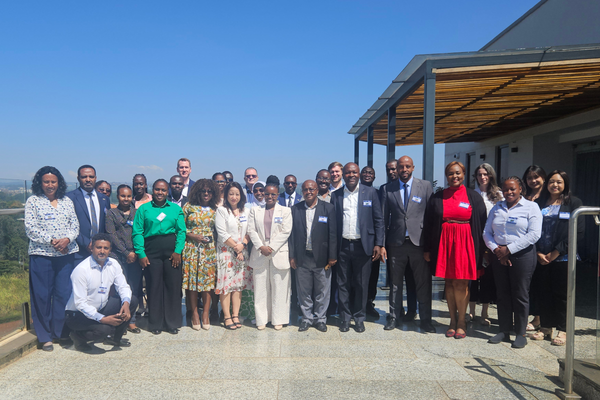
The challenge is further compounded by limited coordination mechanisms between the governments, embassies, and civil society organizations involved in repatriation. Individuals emerging from scam compounds in Southeast Asia originate from countries far beyond the Mekong region, including parts of East Africa and South Asia. Repatriation therefore often requires coordination among multiple stakeholders who may have limited prior experience collaborating on trafficking cases. In response, Freedom Collaborative is convening practitioners working on repatriation to share resources and map contacts that can help organizations respond more quickly when survivors are identified.
These realities underscore the growing need for stronger and more coordinated support structures that enable civil society organizations to sustain their frontline work. However, practitioners noted that reductions in international funding have weakened both trafficking-specific programs and the broader humanitarian services survivors often depend on after leaving exploitative environments, including shelters, food assistance, and healthcare. As referral networks weaken, responders increasingly rely on general humanitarian services, such as community health providers or emergency assistance programs, that were not designed to respond to trafficking cases. At the same time, humanitarian resources across the region are being stretched by multiple overlapping crises.
Participants also discussed how donor hesitation can sometimes slow engagement. Because individuals inside scam compounds are often forced to participate in online fraud, some funders worry they may inadvertently support people who appear to be perpetrators rather than victims. Practitioners noted that this uncertainty has complicated funding decisions, even within parts of the anti-trafficking funding landscape, leaving many frontline organizations struggling to secure the resources needed for repatriation and survivor assistance.
Panelists further emphasized that the on-the-ground knowledge of practitioners working directly with survivors is essential for addressing the crisis more broadly. This includes strengthening prevention efforts that could help reduce the flow of workers into scam compounds. One speaker highlighted the need for regionally tailored prevention strategies, noting that recruitment tactics targeting individuals from East Africa and South Asia differ significantly from those used within Southeast Asia. Context-specific prevention campaigns could therefore play an important role in helping individuals identify fraudulent recruitment schemes before they become trapped in exploitative situations.
Here’s a roundup of other noteworthy news and initiatives:
A new report by Fortify Rights and Truth Hounds finds that Bangladeshi men have been deceived, trafficked, and coerced into joining Russian forces fighting in Ukraine, often through fraudulent job offers and contracts they could not read. The organizations are urging the Government of Bangladesh to dismantle trafficking networks and support survivors and affected families, while calling for international action to address abusive recruitment linked to the Russian invasion.
This article in Comparative Migration Studies examines how the conflict in Gaza has reshaped policies affecting non-citizen workers in Israel, including the replacement of Palestinian labour with migrant workers and a return to recruitment through for-profit intermediaries rather than bilateral agreements. The authors argue these shifts, accelerating after the 7 October attacks, reflect tensions between capitalist, ethno-nationalist, and colonial drivers in the political economy of labour, with national security rhetoric and weakening oversight contributing to reduced protections for migrant workers.
A statement by the Coalition on Labor Justice for Migrants in the Gulf, signed by Equidem, Global Labor Justice, International Domestic Workers Federation, and Shramik Sanjal, calls for urgent protections for migrant workers amid escalating conflict across the Middle East. The groups warn that millions of migrant workers face heightened risks during the conflict, particularly under restrictive labour systems such as the kafala system, and urge governments to ensure equal access to protection, safe repatriation, wage protections, and the dismantling of kafala.
The Abuse without borders: Migrant workers’ rights global analysis 2026 report by the Business and Human Rights Resource Centre recorded 747 cases of alleged migrant worker abuse in 2025, with 70 per cent occurring in the Global North or in supply chains of Global North-headquartered companies, most frequently linked to U.S. firms. The analysis highlights severe violations and warns that conflict, climate change, hostile migration policies, and supply chains for new industries such as AI and EV are creating escalating risks of exploitation for migrant workers worldwide.
The UK’s Princess Eugenie has stepped down as patron of Anti-Slavery International after seven years, following the release of U.S. Department of Justice files related to the late sex offender Jeffrey Epstein that have renewed scrutiny of her father, Andrew Mountbatten-Windsor. While there are no allegations of wrongdoing against Eugenie, the charity confirmed the end of the patronage and thanked her for her support of anti-slavery efforts.
Torii invites participants to the second edition of Unbordered, a webinar on 17 March focused on “Displacement, Statelessness, and Protection Pathways in a Shrinking Aid World”. The discussion will bring together community leaders, practitioners, journalists, and philanthropy actors to examine how the tightening of host-country policies and contracting humanitarian resources are reshaping protection systems across Asia, and what practical pathways may be possible moving forward.
The Organization for Security and Co-operation in Europe will host the launch of its 2026 Survey Report on Combating Trafficking in Human Beings on 23 March in Vienna and online, presenting findings from the most comprehensive review of anti-trafficking efforts across the OSCE region. The report highlights major legislative progress among participating states but warns of persistent implementation gaps, including low conviction rates despite rising investigations and increasing cases of online sexual exploitation.
A fundraiser organized by The Eyewitness Project is seeking emergency support to help six Ugandan trafficking survivors return home after being freed from a cyber-scam compound in Cambodia. The campaign says most of a group of 20 survivors have secured repatriation funding, but an additional US$6,000 is urgently needed to cover flights for the remaining individuals before a mid-March departure deadline.