CSOs convene to discuss trafficking prevention in the South Asian context
A workshop in Sri Lanka explores response opportunities amid emerging trafficking trends, ATEST calls on the State Department to downgrade the U.S. in its TIP Report, and Dyson settles forced labour lawsuits without admitting liability.
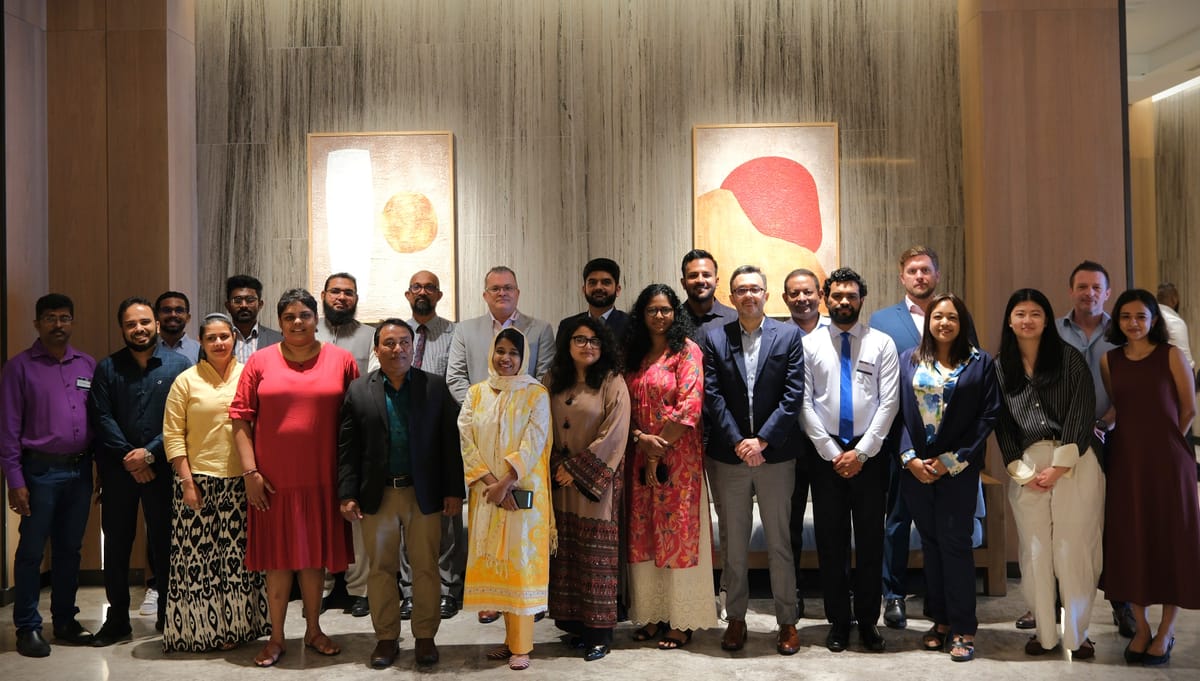
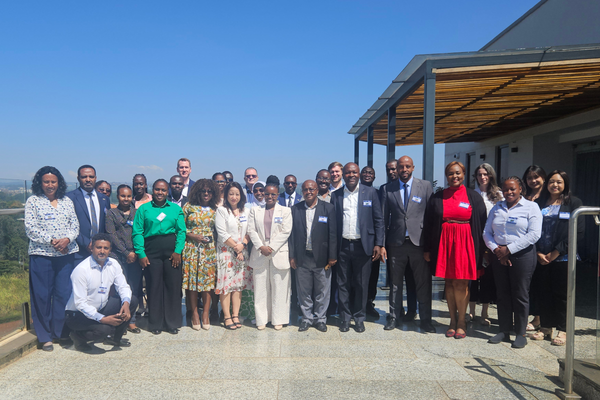
Freedom Collaborative continued its new trafficking prevention initiative last week with a regional workshop in Colombo, convening civil society organizations (CSOs) from Sri Lanka, Pakistan, and Bangladesh. As with the launch event in Nairobi, the workshop focused on the co-design of a prevention campaign addressing trafficking for forced criminality into Southeast Asian cyber-scam centers, while also strengthening regional partnerships to improve coordination and collective responses. The session was co-facilitated with the Regional Support Office of the Bali Process, with financial support from the UK Foreign, Commonwealth and Development Office.
While South Asia and East Africa share similarities as both source and transit regions into Southeast Asia, Sri Lanka and its neighbors present a particularly complex operational environment. Many South Asian nationals can travel to parts of Southeast Asia without a visa or by obtaining one on arrival, a situation which traffickers exploit by funneling individuals through legitimate tourism channels. In such cases, travelers may present genuine return tickets and accommodation bookings that appear credible at departure points but are later cancelled or abandoned. These arrangements are often financed and coordinated by criminal networks, reflecting the profitability of cyber-scam operations and their capacity to invest in sophisticated facilitation methods designed to reduce scrutiny.
At the same time, stakeholders highlighted an emerging trend: Sri Lanka itself is becoming an increasingly significant location for cyber-scam activity. Immigration and consular officials report a rise in foreign nationals, including Thai and other Southeast Asian citizens, traveling to the country to work in scam operations. Many individuals enter on legitimate travel documents and are ostensibly employed as IT technicians or programmers, illustrating how fraudulent recruitment can be embedded within otherwise lawful migration pathways.
These dynamics reinforce the importance of prevention measures at early identification checkpoints, where timely detection can disrupt travel before exploitation occurs. They also highlight the critical role of coordination among law enforcement agencies, immigration authorities, diplomatic missions, and civil society organizations to ensure rapid information-sharing and effective response. In this context, the work of the Sri Lankan National Anti-Trafficking Taskforce can be considered a strong example of national leadership, particularly its close collaboration with local and regional partners to strengthen awareness-raising and operational coordination on trafficking for forced criminality.
The workshop formed part of a broader program in Colombo, which also included a targeted briefing for ASEAN visa-issuing officers, hosted at the British High Commission, providing an up-to-date situational overview of cyber-scam trafficking, evolving recruitment methods, and common travel pathways into Southeast Asia using both legitimate and fraudulent documentation. In addition, a dedicated capacity-building session for Sri Lankan immigration officers examined recent case studies, emerging trends, and practical indicators, such as document irregularities and behavioral red flags, to strengthen frontline detection of this crime.
The initiative and its activities reflect a deliberate strategic shift towards upstream prevention in countries of origin, with a focus on closing current prevention gaps through early intervention, awareness-raising, and stronger cross-border collaboration before exploitation occurs.
Participants consistently emphasized the practical value of the events – many noted that the sessions were not only informative but also outcome-oriented, producing tangible ideas and next steps for collaboration. Attendees highlighted the importance of the connections formed during the week, describing the opportunity to engage directly with regional peers and stakeholders as particularly beneficial. One participant further shared that he intended to brief his organization and partner CSOs on the lessons learned upon returning home, and expressed willingness to facilitate introductions with the authorities responsible for border security, airport operations, and immigration to support future cooperation.
Here’s a roundup of other noteworthy news and initiatives:
This news feature offers detailed on-the-ground reporting from Cambodia on the ongoing fallout following mass escapes from online scam compounds, documenting how trafficked workers are sleeping outside embassies, struggling to access assistance, and navigating unclear victim identification processes. Through survivor testimonies and field reporting, the article illustrates the humanitarian gaps emerging as enforcement crackdowns outpace protection responses for people escaping exploitation.
New IOM data reports at least 7,667 migrant deaths or disappearances globally in 2025 – around 21 per day – with the apparent decline from 2024 partly attributed to reduced monitoring capacity and restricted access to search and rescue information rather than improved safety. High numbers of deaths along Asian and Eastern migration routes, and a sharp rise in early 2026 Mediterranean fatalities despite falling arrivals, highlight the persistent exploitation risks linked to smuggling and trafficking networks.
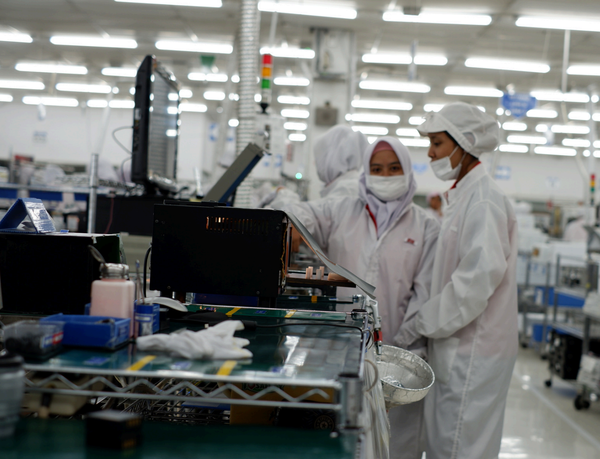
Two dozen migrant workers from Nepal and Bangladesh have settled a UK High Court lawsuit against Dyson over alleged forced labour and abuse at a Malaysian supplier factory, ending proceedings without any admission of liability and with compensation details undisclosed. The settlement delivers compensation and closes lengthy litigation for the claimants, but leaves unresolved questions around corporate liability and broader remediation for potentially large numbers of other workers affected by the same alleged exploitation.
The Alliance to End Slavery and Trafficking (ATEST) has urged the U.S. State Department to consider downgrading the United States to Tier 2 in the 2026 Trafficking in Persons Report, citing major cuts to anti-trafficking funding, staffing, and international programs alongside reduced civil society engagement and transparency. While noting some legislative and enforcement gains, the submission warns that program closures, weakened survivor protections, and shifting policy priorities toward immigration enforcement risk undermining prevention, protection, and global anti-trafficking leadership.
This new HEUNI report, Between Victimhood and Offending, examines links between youth criminal exploitation, organized crime recruitment, and child trafficking across Nordic countries. The study explores how authorities are responding to young people positioned simultaneously as victims and offenders, assessing the opportunities and limits of using trafficking frameworks to address emerging forms of criminal exploitation.
This blog post by Blue Dragon Children’s Foundation reflects on the organization’s approach to its 2,000th rescue from trafficking and slavery, emphasizing that rescue is only a response to systemic failures rather than the ultimate measure of success. Drawing on survivor cases linked to online scam compounds in Southeast Asia, it highlights the need for prevention, community-led protection systems, and practical support addressing poverty, debt, and unsafe migration pathways to reduce vulnerability to exploitation.
Justice & Care invites participants to a CSW70 parallel webinar on survivor practitioner-led aftercare approaches to ending the trafficking of women and girls, drawing on lessons from its work in Bangladesh. The session, on 16 March at 12:30 GMT, will look at how survivor leadership is shaping services and referral systems, sharing practical approaches to support long-term recovery. A second event, on 31 March at 13:00 BST, will explore the challenges and lessons in greater depth, with opportunities to hear directly from the UK Home Office on the broader learning agenda around aftercare provision for trafficking survivors.