CSOs call for urgent victim protection amid Cambodia’s scam compound exodus
Civil society urges consulates and agencies to assist trafficking victims exiting Cambodia’s compounds, the U.S. cuts funding for child sexual exploitation investigations, and the Norwegian Refugee Council is forced to close its Guatemala operations.
A coalition of Cambodian and international civil society organizations and experts has issued an urgent joint request, calling for immediate action in response to the unfolding scam compound crisis in Cambodia. The letter, sent on Friday, urges international partners, including embassies and UN agencies, to encourage and assist Cambodian authorities to screen the thousands of people who have recently escaped or been released from scam compounds, accurately identify victims and potential victims of trafficking and other human rights violations, and mobilize international resources to address what signatories describe as an acute protection crisis.
The request comes amid a period of intensified enforcement activity targeting online scam operations across multiple regions of the country. This escalation follows sustained international pressure over Cambodia’s role in global cyber-enabled fraud, including the financial, reputational, and security harms caused by scam operations targeting victims worldwide. In recent weeks, inspections and anticipated raids have coincided with the sudden opening up of fortified scam sites and the rapid dispersal of foreign migrant workers previously held inside.
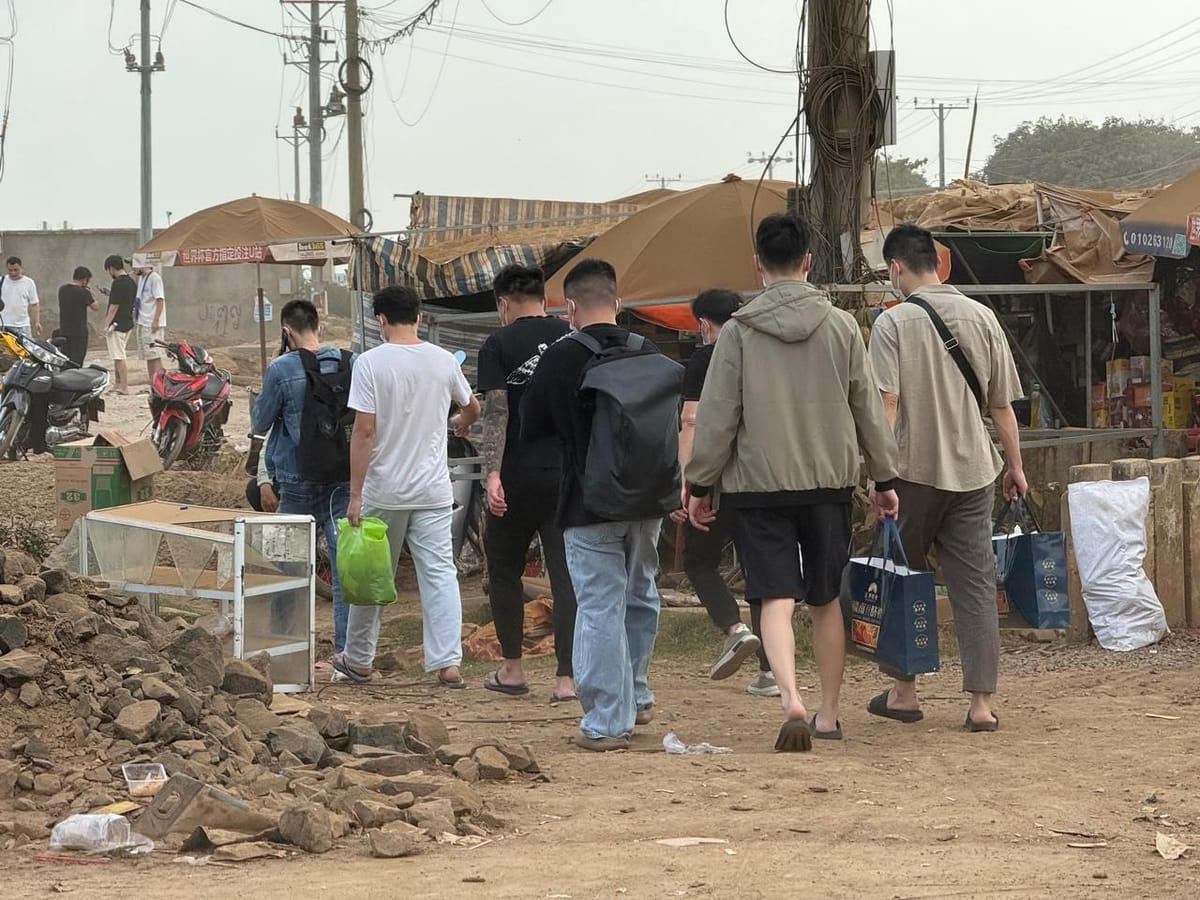
Civil society partners report that large numbers of individuals have been observed leaving compounds, often in organized groups, but without passports, money, or clear information about their legal status. Many have traveled towards Phnom Penh and other urban centers in search of assistance, while others have gathered near border crossings, transit corridors, or government buildings. In several locations, departures appeared to precede inspections, suggesting that advance notice or informal signaling allowed operations to empty sites quickly.
Departures have been observed across a wide area. Civil society partners describe movements from coastal cities, border towns, and interior provinces, including locations in which newly built compounds had expanded rapidly over the past two years. In more remote areas, individuals were observed walking long distances or relying on informal transport. These movements reflect not only the scale of the displacement, but also the absence of coordinated exit, screening or referral mechanisms.
Many of those leaving scam sites are believed to have been trafficked into Cambodia through deceptive recruitment and subsequently forced to engage in online scamming under coercive conditions. Reports describe confiscation of identity documents, restrictions on movement, debt bondage, and threats of violence. As individuals leave these sites, irregular migration status and lack of documentation place them at immediate risk of detention, criminalization or deportation, particularly in the absence of systematic screening and victim identification procedures.
Protection capacity remains critically constrained. The joint letter notes that there is currently only one shelter in the country able to accommodate adult and child victims of forced criminality, and it is operating well beyond capacity. As a result, hundreds of displaced individuals are reported to be waiting outside embassies in Phnom Penh or gathering near international agencies, seeking help to return home or regularize their status. Yesterday, it was reported that people were being turned away from IOM’s Cambodia office and told that hosting them would be illegal, prompting practitioners to question the role of international institutions mandated with victim protection.
Meanwhile, diplomatic missions have received high volumes of requests for documentation, protection, and repatriation support and, in some cases, are processing hundreds of cases simultaneously. Civil society partners report that coordination between embassies, government authorities, and international agencies remains ad hoc, further delaying assistance.
At the same time, civil society partners caution that the apparent closure of compounds may not signal a lasting shift. Some sites appear to be preparing to resume operations in the coming weeks, with indications of ongoing recruitment activity and infrastructure readiness. Allegations also persist that corrupt practices continue to influence access to compounds, reflecting patterns observed during previous enforcement cycles in which operations were disrupted only temporarily.
These developments underscore a persistent structural challenge. While enforcement actions have created visible disruption at the site level, there is limited indication that senior organizers, financial controllers, or the digital infrastructure underpinning scam operations have been systematically addressed. The focus on compound closures and labour displacement, without parallel investment in screening, protection and accountability, risks reproducing cycles of exploitation in new locations and under new configurations. Addressing this gap will be critical to ensuring that those leaving scam compounds are recognized and supported as victims of trafficking and coercion, and that current efforts translate into durable prevention rather than temporary disruption.
Here’s a roundup of other noteworthy news and initiatives:
The bipartisan Trafficking Survivors Relief Act has been signed into U.S. law, creating a federal process to vacate and expunge convictions for crimes trafficking victims were forced to commit. Survivor advocates welcomed the law as a long-overdue shift towards survivor-centered justice while emphasizing the need for further federal reforms to ensure lasting access to employment, housing and stability.
Funding cuts have forced the Norwegian Refugee Council to close its Guatemala operations, ending protection, legal, education and livelihood support for tens of thousands of displaced people amid escalating violence, organized crime, and migration flows. The closure deepens a growing protection gap for migrants, asylum seekers, returnees, and survivors of gender-based violence, increasing vulnerability to exploitation and trafficking as humanitarian needs remain vastly underfunded.
The U.S. Department of Justice has cut funding, training, and grants for child sexual exploitation investigations, including cancellation of the 2025 National Law Enforcement Training on Child Exploitation, significantly weakening law enforcement capacity. Prosecutors and investigators warn these measures are increasing risks to children by limiting investigations, interagency coordination, and access to tools needed to combat rapidly evolving online child sex trafficking and exploitation.
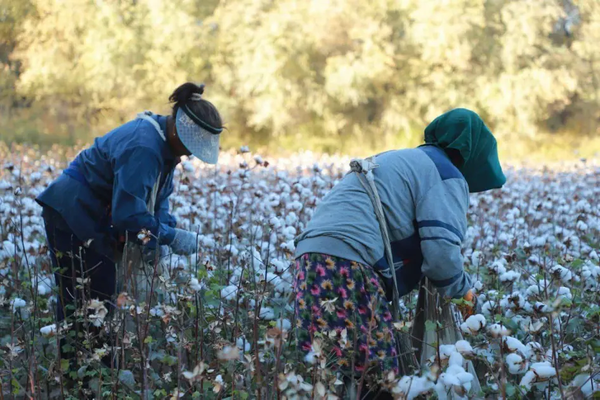
New data from the Coalition to End Forced Labour in the Uyghur Region shows a more than fourfold drop in enforcement of the Uyghur Forced Labor Prevention Act (UFLPA) between April and August 2025, despite the law having previously blocked more than US$3.8 billion in high-risk imports. Members of Congress have raised concerns with the U.S. Department of Homeland Security and U.S. Customs and Border Protection, urging stronger inspections, expansion of the UFLPA Entity List, and greater cross-government coordination to prevent goods produced with state-imposed forced labour from entering global markets.
This investigation documents how entrenched corruption across the Bangladesh–Malaysia recruitment system forces migrant workers into extreme debt through inflated fees, fake job offers, and cartelized recruitment channels, driving debt bondage, forced labour, and trafficking risks. The reporting links private recruiters, political elites, and weak oversight to systemic exploitation affecting hundreds of thousands of Bangladeshi workers, with serious implications for global supply chains sourcing from Malaysia.
Join survivor leaders, civil society organizations, governments, UN agencies, businesses and unions for the 2026 Freedom from Slavery Global Forum, 11-12 May, in Istanbul. Organized by Free the Slaves, the forum will unify regional priorities into a global framework to shape the future of anti-slavery efforts.